Expert Remodeling Services: Elevate Your Space With Professional Expertise
Residential remodeling contractor services serve a vital function in improving home environments. Home occupants regularly consult these professionals for their competence in overseeing challenging renovation projects, from kitchens to bathrooms. Skilled contractors ensure compliance with regulations while providing access to quality materials. Nonetheless, identifying a suitable contractor can be complex. Comprehending the different elements of renovation work is critical for achieving positive results. Which aspects demand attention when launching this substantial home improvement project?
The Significance of Engaging Professional Remodeling Contractors
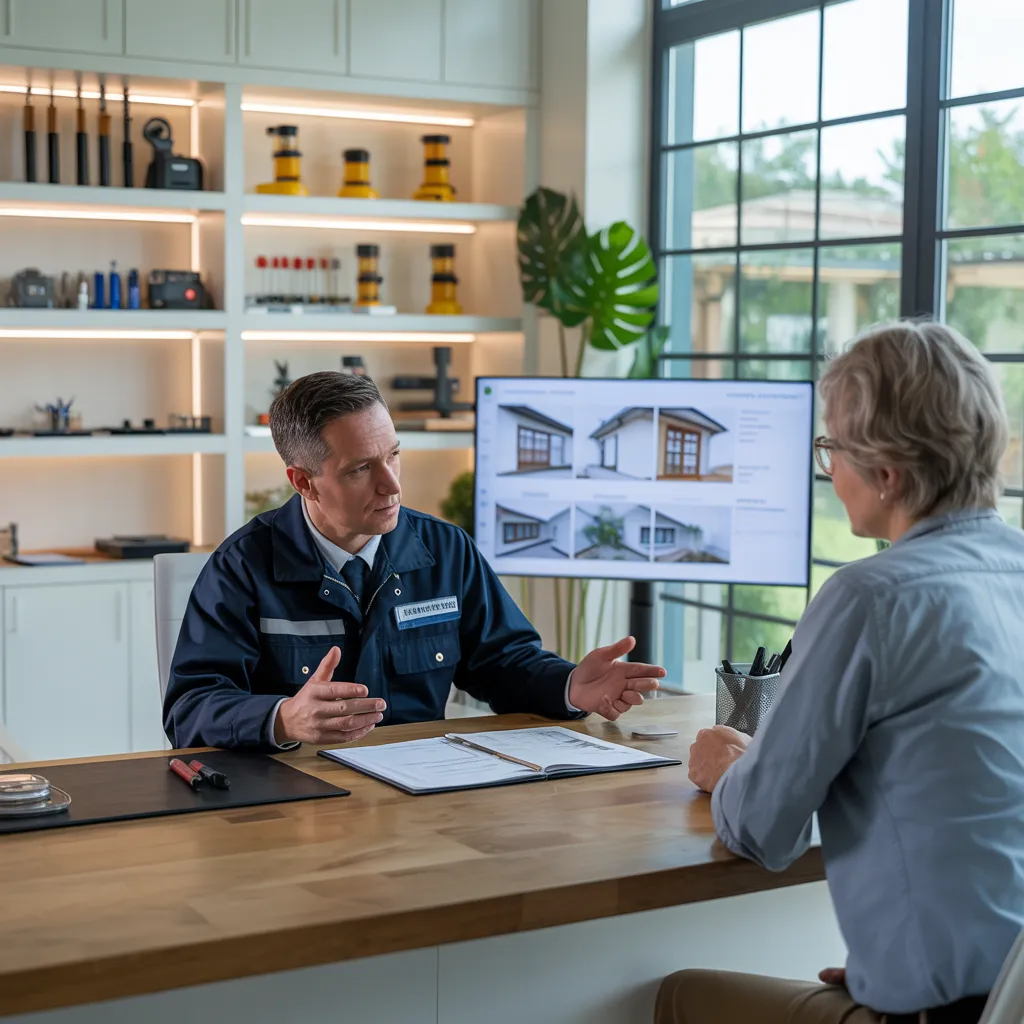
When property owners think about starting a remodeling project, they often underestimate the intricacies involved, which is why engaging professional remodeling contractors is crucial. These experts possess the understanding and experience needed to navigate the wide range of challenges that can arise during a remodel. From acquiring permits to adhering to building codes, the details of a remodeling project necessitate a level of expertise that most homeowners may not possess.
Furthermore, professional contractors bring crucial resources, including skilled labor and access to high-quality materials, making certain that the renovation meets both aesthetic and functional standards. Their strong relationships with suppliers can lead to cost savings and enhanced project timelines. Additionally, professional contractors can predict potential issues before they evolve into costly problems, delivering peace of mind for homeowners. All things considered, enlisting the services of veteran remodeling contractors not only boosts the quality of the work but also eases the entire process, making it a smart investment.
Core Services Presented by Renovation Specialists
Home improvement contractors deliver a diverse range of services that cater to different aspects of home improvement, ensuring that every project can be adapted to meet specific needs. Common services include kitchen and bathroom remodels, where contractors can assist with layout design, cabinetry, and fixture installation to elevate functionality and aesthetics. Furthermore, they provide services for basement and attic remodels, transforming unused spaces into livable areas.
Outside home improvements, including siding replacement, window installation, and deck building, are equally key offerings, boosting both curb appeal and property value. Many contractors focus on home additions, enabling homeowners to increase their living space seamlessly. Additionally, some provide dedicated offerings like sustainable enhancements, ensuring homes comply with modern sustainability standards. By providing these vital solutions, remodeling contractors play a crucial role in turning homeowners' visions take the first step into reality while maintaining superior workmanship throughout the process.
How to Pick the Right Contractor for Your Building Project
Choosing the right contractor for a remodeling project requires thorough research and consideration. Homeowners should start by determining their project scope and budget, which will inform their search for appropriate candidates. Recommendations from online reviews, friends, or family members can provide important insights into potential contractors' reputations.
When a shortlist is created, it becomes crucial to confirm credentials, including insurance, licenses, and previous work samples. Carrying out interviews helps homeowners to gauge communication styles and professionalism, while also establishing timelines and payment structures.
Requesting comprehensive written estimates from several contractors facilitates comparing pricing and services provided. Homeowners should never hesitate to seek references from past clients to assess satisfaction and reliability.
In the end, choosing a contractor who corresponds to both the project's vision and the homeowner's values is crucial for a favorable remodeling experience.
The Remodeling Process: Understanding What Lies Ahead
As property owners start a remodeling journey, they can expect a series of stages that transform their initial vision into reality. The process typically begins with a consultation, where the homeowner discusses their goals, requirements, and financial plan with the contractor. This is followed by design development, during which plans are created, incorporating the homeowner's preferences and the contractor's expertise.
Once designs are finished, permits are acquired, and the project timeline is set. The construction phase commences, often involving demolition, followed by structural modifications, installations, and finishes. Throughout this phase, regular communication between the contractor and homeowner is vital to address any unanticipated issues.
In the end, the project finishes with a final inspection, where the homeowner inspects the work prior to final payment. This systematic approach guarantees that every detail is addressed, transforming the initial concept into a polished space that represents the homeowner's desires.
Optimizing Your Investment: Tips for Successful Remodeling
A successful remodeling project can greatly improve a home's worth and usability. To make the most of this investment, homeowners should start by setting a clear budget and timeline, guaranteeing that financial resources are assigned appropriately. Engaging a reputable remodeling contractor is essential; their expertise can help homeowners in making well-informed choices that correspond to their vision and current market conditions.
Furthermore, concentrating on critical rooms, for example kitchens and bathrooms, typically delivers the most favorable returns. Home investors should also consider energy-efficient enhancements, which not only decrease utility costs but also attract environmentally conscious potential buyers.
Lastly, preserving open communication with the contractor throughout the project encourages collaboration and minimizes misunderstandings. By adhering to these suggestions, homeowners can manage the remodeling process effectively, finally achieving a space that showcases their personal style while enhancing the property's overall market value.
Questions and Answers
What's the Standard Timeline for a Remodeling Project?
Remodeling project timelines typically vary depending on scope and detail level, running from a few weeks for simple modifications to several months for substantial renovations, with planning phases and permitting requirements often determining the overall timeframe.
How Can I Budget for Unforeseen Remodeling Expenses?
To prepare for unexpected remodeling costs, people should designate an additional 10-20% of the total budget, complete thorough research, consult with professionals, and hold a contingency fund for unanticipated expenses throughout the project.
Is It Possible to Stay in My Home While Renovating?
Living in a home during renovations is possible, though it largely depends on the scope of the project. Transparent communication with contractors along with arranging for needed accommodations can help preserve comfort during the work.
Which Permits Do Remodeling Projects Require?
Normally, permits for remodeling projects include electrical, plumbing, mechanical, and building permits, based on local regulations. Homeowners should verify with their local municipality to verify all essential permits before beginning renovations.
How Should I Convey My Vision Effectively to the Contractor?
For effective contractor communication, you should prepare detailed visuals, sketches, and descriptions. Clear discussion of preferences, budget, and timeline promotes understanding, guaranteeing the contractor's work aligns with the client's vision.